Companionship and Continuity: Advantages of Small Senior Care for Amnesia
Business Name: Beehive Homes of Sandy
Address: 9532 S 700 E, Sandy, UT 84070
Phone: (801) 975-5244
Beehive Homes of Sandy
BeeHive Homes of Sandy provides personalized assisted living and memory care in a comfortable residential setting. Our compassionate caregivers deliver attentive daily support focused on dignity, independence, comfort, and quality of life.
9532 S 700 E, Sandy, UT 84070
Business Hours
Families typically reach memory care crossroads after a series of small alarms. A pot left burning on the stove. A missed medication that utilized to be second nature. A parent who as soon as hosted big vacation suppers now puzzled and withdrawn at the table.
The requirement is obvious: security, structure, medical oversight. The fear is just as real: losing the individual's identity in a large, institutional setting where they become a space number rather of a name.
This is where little senior care environments can alter the trajectory, specifically for people living with Alzheimer's or other types of dementia. Not perfect, not wonderful, however typically more gentle, more versatile, and more in tune with the lived truths of memory loss.
What "little" actually indicates in senior care
When households hear "small care setting," they typically visualize a personal home with 2 or 3 homeowners. In practice, small senior care for amnesia covers a series of models, however they share a couple of core traits.
Some typical formats include:
- Residential care homes with 4 to 10 homeowners, often in a transformed single-family house.
- Memory care cottages, organized on a school, each with a small, consistent group of residents.
- Boutique assisted living neighborhoods that cap each wing or family at a low number.
The precise licensing classification varies by state and country. Some are certified as assisted living or residential care facilities. Others operate as specialized memory care homes. A couple of deal respite care beds, so families can book brief stays, for example after surgical treatment or throughout a caregiver's planned break.
The crucial difference is not just the number of citizens, however the scale of every day life. Instead of a large dining hall, you may see a kitchen table with eight chairs. Rather of turning personnel throughout several floorings, a little group frequently sticks with the same citizens day after day.
For people with dementia, that scale matters.
Why connection soothes the brain
Memory loss does not remove the human need for predictability. In reality, dementia makes consistency even more valuable.
Think about how disorienting it feels to get up in a hotel room after a long flight. Your brain requires a couple of seconds to keep in mind assisted living where you are, which way the restroom is, what time zone you have actually landed in. Now picture bring that micro-confusion through every hour of every day.
In a small senior care environment, connection becomes a protective layer. The very same caregiver brings breakfast each morning. The same armchair sits by the same window. The very same neighbor at the table likes her coffee with excessive cream. This consistent repeating gradually knits together a psychological map that even a damaged brain can lean on.

From years working along with nurses and caregivers in memory care, I have actually seen 3 specific benefits of this continuity.
First, habits often settle. Residents who roamed constantly in a big, loud unit in some cases unwind when they recognize that the world around them is stable and knowable. They stop checking every door because they no longer feel caught; they merely live in a smaller, understandable place.
Second, communication improves. When personnel look after 6 locals instead of twenty, they get the subtleties. A furrowed eyebrow at 3 p.m. May signal pain, or it might suggest the individual constantly grew restless before afternoon milking on the farm. Recognizing that pattern changes the response from "time for a stress and anxiety pill" to "let's walk outdoors and speak about your old barn."
Third, households can interact better with staff. In a small setting, you normally understand who to text when Dad begins mixing up his words, or when Mom's sleep pattern changes. That feedback loop, built on relationships, leads to quicker, more personalized interventions.
Continuity does not treat dementia, however it can decrease the number of crises that require emergency clinic visits or rushed medication changes.
The power of real companionship
Companionship in senior care frequently sounds like a soft concept, secondary to the "major" work of medications and fall avoidance. Yet for individuals coping with amnesia, human connection is as vital to wellness as any pill in the med cart.
In large facilities, staff relocation quick. They must. Ratios of one caretaker to ten or more citizens prevail in assisted living and memory care systems, specifically on nights and weekends. Even with the best objectives, that leaves little time for sluggish discussion or spontaneous activity.
Smaller senior care homes can tilt this balance. With less homeowners, the same staff member can assist with dressing, share breakfast, aid with a puzzle, and sit along with somebody throughout an anxious spell. The discussion that starts throughout tooth brushing can continue in the living room. That continuity of individual, not just location, is deeply grounding.
I remember one gentleman, a retired engineer with vascular dementia, who moved from a large center into a six-bed home. In the previous setting, he was labeled "exit-seeking" after numerous efforts to go out of the system. The doors were alarmed. His household was cautioned that he might need one-to-one supervision.
At the smaller home, the manager watched him for a week. She discovered that his "exit efforts" appeared around the shift change, when staff at the bigger center were busiest and least available to chat. In the small home, she just asked, "Want to assist me check the fence?" at those same times. They would stroll the yard together, examining gate latches. Ultimately, he began starting the ritual himself, tapping his watch at the typical hour. The desire to bolt changed into a shared task.
What changed was not the male's brain, however the environment's capacity to provide real friendship. He no longer had to scream, with his feet, that he felt ignored.
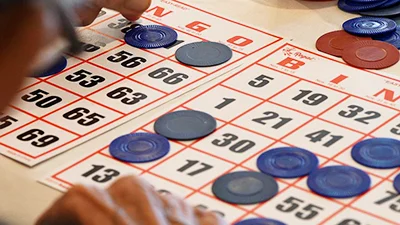
Companionship in little senior care tends to be woven into the day: folding towels together, recollecting over old recipes while prepping lunch, sitting on the porch to track area pets. None of this appears as a "program" on a glossy pamphlet, yet it often matters more than the scheduled bingo game.
Assisted living vs small memory homes: what truly differs
Families often ask whether they should take a look at traditional assisted living, devoted memory care, or smaller sized residential homes. The response depends upon the person's level of requirement, personality, and monetary situation, but there are real differences worth understanding.
Here is a simple contrast that shows what numerous families experience in practice, acknowledging that there are exceptions on both ends of the spectrum.
- Scale: Larger assisted living and memory care neighborhoods might have lots of residents on a single floor, while small homes generally serve 4 to 10 homeowners per house.
- Staffing attention: In a small home, personnel are most likely to know every resident's habits and personal history. Larger structures might have more experts, but also more handoffs.
- Environment: Standard settings typically feel more like hotels or health care facilities. Little homes generally look like, and often are, single-family houses.
- Flexibility: Small settings can be active about day-to-day regimens and preferences. Bigger operations may follow tighter schedules to coordinate many homeowners at once.
- Social energy: Some people thrive with a bigger crowd, regular home entertainment, and varied activities. Others do much better with a peaceful, family-style rhythm.
The nuance matters. An extremely social individual who delights in music efficiencies, spiritual services, and large group activities may actually feel bored in a tiny home with little structured programming. Alternatively, someone currently overwhelmed by noise and busy areas may find a little, foreseeable environment far easier to navigate.
Memory care requirements often alter in time as well. Early in the disease, a person might fit better in assisted living with some memory assistance, especially if they still handle numerous jobs separately. As dementia progresses and the person needs more cueing, assist with personal care, and close behavioral observation, a smaller sized model can end up being more appropriate.
Designing days that feel familiar, not institutional
People living with dementia do not need entertainment every hour. What they require is function, rhythm, and a sense of belonging in an identifiable day.
Smaller senior care homes typically have a much easier time producing this sort of "regular life" structure. They operate on the scale of a household, not a hotel.
Breakfast may be made to order, with residents sitting neighboring while personnel cook. Folding laundry can function as a cognitive exercise and a method to contribute. A walk to examine the mail offers movement, fresh air, and a tiny routine of ownership: "This is our home, and this is our mail box."
In practice, a day in a great little memory care setting might look like this:
The morning starts without a roaring overhead page. Rather, a caretaker gently wakes Mrs. Lopez the way her child explained throughout intake, by opening the curtains initially and placing on her preferred ranchera music. Coffee aroma reaches the corridor. Some locals wander into the kitchen area in bathrobes. Others choose to dress first, with help.
Midday might include a simple group activity, like peeling apples at the table while speaking about youth dishes. The outcome, a homemade cobbler, is secondary to the shared work. Personnel take care to involve even those with innovative dementia, perhaps by handing them safe, soft fabrics to wipe the table or feel the texture of the fruit.
Late afternoon, typically a high-risk time for agitation known as "sundowning," becomes a structured convenience period. Instead of residents spread and uneasy in a large lobby, the little home may collect everyone for a familiar ritual, like enjoying a specific old film, listening to hymns, or hosting a "mail sorting" session with genuine and reproduction envelopes.
Nighttime care aspects specific patterns as much as health allows. Some people with dementia revert to earlier-life shifts, such as night owl practices from years of working night tasks. A small home can in some cases flex staffing to enable safe, quiet wakeful durations, rather of requiring everyone into a single 8 p.m. Bedtime.
This type of personalization is not unique to small homes, but the smaller sized the group, the more feasible it becomes.
Respite care as a pressure valve for families
Family caregivers often wait too long to look for aid. Regret, financial concerns, and promises made in healthier years can keep somebody caring 24/7 in the house long past the point of burnout. When crisis strikes, options narrow.
Respite care can interrupt that pattern. By arranging brief stays in a senior care setting, usually in between a couple of days and a few weeks, families can rest, take a trip, or deal with emergencies, while the person with dementia receives structured support.
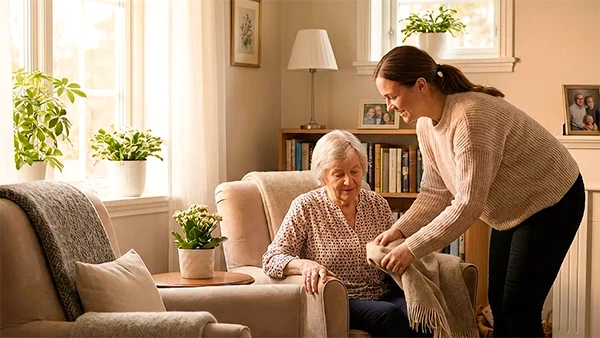
Small homes are typically well suited for respite care, since they can soak up a new resident into a consistent, homelike rhythm without overwhelming them. The environment looks less foreign than a large facility, and it is much easier to build rapport rapidly with a small personnel team.
For example, a daughter taking care of her mother with moderate dementia in your home might set up a one-week respite stay every three months in a neighboring residential care home. With time, her mother begins to acknowledge your house and staff. The shift each visit grows smoother. If permanent positioning becomes essential later on, the relocation might feel more like going back to a familiar second home than being "put away."
This is not only an emotional advantage. Planned respite can avoid medical crises. Caregivers who get routine rest usually manage medications more properly, respond more patiently to recurring questions, and notice subtle changes earlier. A little setting that understands the household well can also flag concerns, such as brand-new movement issues or swallowing concerns, before they escalate.
Some little homes use really restricted respite due to the fact that every bed represents a significant part of their revenue. Others deliberately book one space for brief stays. It deserves asking, specifically if you understand that long-term caregiving at home will require periodic breaks.
Safety without stripping away autonomy
Any senior care environment should keep citizens safe, specifically when memory loss leads to wandering, bad judgment, or problem with balance. The question is how to develop security into the environment without turning it into a locked, clinical box.
Small homes tend to incorporate safety features more silently into the fabric of your home. Door alarms can be subtle, instead of heavy magnetic locks. Outside spaces can be totally enclosed but still look like a yard, not a security yard. Cooking areas can be partly open, with knives saved out of sight but locals still able to enjoy and participate.
Care ratios matter here. A caregiver seeing six residents can track movement more quickly than one accountable for fifteen scattered across a big wing. This allows for more nuanced supervision. Instead of prohibiting all outdoor access, a little home might allow certain locals escorted walks, based upon their history and existing level of risk.
Risk tolerance varies by provider and by family. Some little homes adopt a highly protective stance: alarms on every door, stringent borders around not being watched motion. Others embrace what is often called "dignity of danger," accepting that minor falls or periodic confusion outside on the outdoor patio are a cost worth paying for a more active, engaged life.
A thoughtful technique to dementia care normally lands in the middle. For instance, personnel may lock the front door but keep a fenced garden constantly available. They may install motion sensors that inform caretakers when someone enters the bathroom in the evening, permitting prompt assistance without hovering or video cameras in personal spaces.
Families should ask not just "Is this location safe?" however "How do you stabilize security with self-reliance?" The answers frequently expose more about the culture of care than any brochure.
The emotional load on personnel and how little settings help
Good dementia care is emotionally requiring work. Staff become attached to citizens, who slowly decrease. They soak up anxiety from households and behaviors from homeowners. In big centers, burnout and turnover can be high, which wears down continuity.
Small senior care homes can not get rid of burnout, however they frequently structure work in manner ins which support staff and, indirectly, residents.
Caregivers in smaller settings generally have:
- Deeper personal relationships with locals, which make the work more meaningful.
- More differed jobs, lowering monotony and permitting different abilities to surface.
- Greater say in everyday routines and decisions, increasing their sense of ownership.
- Closer contact with leadership, reducing the distance in between issue and solution.
- Clearer feedback from families, which can verify good work and emphasize particular improvements.
When personnel feel respected and included, they remain longer. Longer period suggests citizens live among familiar faces, not a continuously changing parade of complete strangers. For people with amnesia, that connection can soften the fear that "everybody I understand keeps disappearing."
Of course, little homes can likewise battle with staffing. A single resignation or illness can strain the schedule more than in a big organization. Households need to ask how the home handles call-outs, what backup staffing plans exist, and whether they utilize agency staff or pull from a recognized swimming pool of part-time employees.
Trade-offs and limitations of little senior care
Small does not immediately mean much better. It indicates various, with particular strengths and weaknesses.
On the favorable side, households frequently observe:
The environment feels more individual and less institutional. Staff understand locals' histories in detail and customize care. Shifts, such as from home to care, feel less jarring. Interaction with decision-makers is usually faster and more direct.
On the difficult side, you may encounter:
Limited clinical depth on website. A big memory care unit may have a nurse on every shift, whereas a little home might depend on visiting nurses or on-call assistance. Fewer on-site features. You will not see a gym, theater, or complete activities department in a six-bed home. Variable guideline and oversight. In some areas, residential care homes deal with looser oversight than certified assisted living or nursing homes. In others, they are firmly regulated. Families must comprehend their local framework. Financial intricacy. Smaller operations typically have less ability to accept particular insurance plans or public funding. Some rely totally on private pay.
There are likewise edge cases. An individual with serious behavioral symptoms, such as regular violent outbursts, might really need the specialized staffing and security of a larger, hospital-affiliated dementia care unit. Alternatively, someone with early-stage memory issues however complex medical requirements may fit much better in a nursing home with robust rehab and competent nursing, instead of any little home.
The secret is to match the environment to the person, not the other method around.
Questions households should ask when visiting little memory care settings
Choosing a senior care environment is seldom a purely logical choice. It mixes gut instinct, financial truth, medical need, and family dynamics. Still, particular concerns can bring clearness, especially when evaluating small homes for someone with dementia.
Consider utilizing this brief list during trips:
- How many residents live here, and how many caretakers are on each shift, including nights and weekends?
- What specific training do staff receive in dementia care, interaction, and managing challenging habits without heavy sedation?
- How do you deal with medical issues after hours or on weekends, and who chooses when to call 911?
- Can you describe a recent difficult situation with a resident and how personnel dealt with it?
- How do you involve households in care planning and updates, particularly when the resident can no longer speak plainly for themselves?
Pay attention not only to the responses, however to the way personnel respond. Protective or vague replies may indicate much deeper concerns. Clear, particular examples recommend a group that has really faced real-world intricacies instead of speaking in slogans.
Also look for small information. Do citizens seem groomed in a way that shows their normal design, or is everybody in generic sweatpants? Are staff addressing residents by name, and do they wait on reactions instead of rushing through tasks? Exists evidence of life, such as household photos, worn cookbooks, or a half-finished puzzle, or does the area appearance staged for visitors?
When to review the decision
One of the biggest mistaken beliefs in senior care is that placement is a single, final decision. In reality, dementia care unfolds over years, and needs shift. What fits now might require revisiting later.
Families who select a small senior care home frequently deal with three inflection points.
The initially comes if physical care needs exceed what the home can supply. For instance, an individual who ends up being fully bedbound and requires complex injury care or feeding tubes may need a higher level of skilled nursing, even if their cognitive needs are still well supported.
The second arises when habits escalate beyond the home's capability. A resident who starts striking staff, barricading doors, or experiencing extreme psychosis might need short-term inpatient psychiatric care. Some little homes can re-integrate such residents later, especially with medication modification and behavior plans. Others can not securely do so.
The third inflection involves finances. Long-lasting dementia care is expensive in any setting. A home that seemed manageable at the beginning might grow unaffordable if savings deplete and public advantages do not cover that type of center. Preparation early with an elder law lawyer or financial planner who understands long-term care can assist prevent forced relocations based entirely on cost.
Good providers acknowledge these realities upfront. They explain plainly what they can and can not handle, what signs might trigger a discussion about modification, and how they support transitions if they end up being necessary.
The deeper benefit: protecting personhood
Underneath all the practical details of assisted living, memory care, respite care, and dementia care lies a much deeper concern: How do we safeguard the personhood of somebody whose memory is unraveling?
Small senior care settings are not the only answer, however they can support that objective in special ways. In a world that often treats individuals with dementia as issues to be managed, a house-sized environment can make it much easier to keep in mind that this resident is likewise:
A retired instructor who used to keep up late grading documents. A carpenter who can still tell you, with satisfaction, how to square a corner. A grandmother who never served a holiday meal without homemade biscuits.
Companionship and continuity do not bring back lost nerve cells. They do something subtler and simply as important. They provide the person with memory loss a much better possibility to live the rest of their story in a place that seems like it still comes from them.
Beehive Homes of Sandy provides assisted living care
Beehive Homes of Sandy provides memory care services
Beehive Homes of Sandy provides respite care services
Beehive Homes of Sandy supports assistance with bathing and grooming
Beehive Homes of Sandy offers private bedrooms with private bathrooms
Beehive Homes of Sandy provides medication monitoring and documentation
Beehive Homes of Sandy serves dietitian-approved meals
Beehive Homes of Sandy provides housekeeping services
Beehive Homes of Sandy provides laundry services
Beehive Homes of Sandy offers community dining and social engagement activities
Beehive Homes of Sandy features life enrichment activities
Beehive Homes of Sandy supports personal care assistance during meals and daily routines
Beehive Homes of Sandy promotes frequent physical and mental exercise opportunities
Beehive Homes of Sandy provides a home-like residential environment
Beehive Homes of Sandy creates customized care plans as residents’ needs change
Beehive Homes of Sandy assesses individual resident care needs
Beehive Homes of Sandy accepts private pay and long-term care insurance
Beehive Homes of Sandy assists qualified veterans with Aid and Attendance benefits
Beehive Homes of Sandy encourages meaningful resident-to-staff relationships
Beehive Homes of Sandy delivers compassionate, attentive senior care focused on dignity and comfort
Beehive Homes of Sandy has a phone number of (801) 975-5244
Beehive Homes of Sandy has an address of 9532 S 700 E, Sandy, UT 84070
Beehive Homes of Sandy has a website https://beehivehomes.com/locations/sandy/
Beehive Homes of Sandy has Google Maps listing https://maps.app.goo.gl/gxoX9vT5PFH9mJTP9
Beehive Homes of Sandy won Top Assisted Living Homes 2025
Beehive Homes of Sandy earned Best Customer Service Award 2024
People Also Ask about Beehive Homes of Sandy
What does assisted living cost at BeeHive Homes of Sandy?
BeeHive Homes of Sandy offers all-inclusive assisted living pricing. That means one straightforward monthly rate covering personal care, home-cooked meals, housekeeping, laundry, and daily support, with no hidden costs or surprise fees. Because we offer seasonal pricing and current availability can change, we invite families to call for up-to-date rates and any current offers. Before move-in, our team completes a personalized assessment of health, mobility, medication, and activities-of-daily-living needs, so we can confirm the right care plan and share clear pricing for your family.
Can residents remain at BeeHive Homes as their care needs change?
Yes. In almost all cases, residents can remain at BeeHive Homes of Sandy as their care needs change, aging in place in a familiar, homelike environment. Because we coordinate with third-party home health and hospice providers, residents can receive added care right in the home rather than relocating. It is very rare for a resident to need to move, and that typically happens only when someone requires continuous skilled nursing or hospital-level care beyond what an assisted living or memory care home can safely provide.
Is a nurse available at BeeHive Homes of Sandy?
Yes. BeeHive Homes of Sandy has a nurse who provides day-to-day oversight of residents and works directly with each resident's own physicians and healthcare providers to continue the best possible care. Residents may keep seeing their preferred doctors, and when ordered by a medical provider, home health, therapy, or hospice services can often be delivered directly in the home. Caregiver support is available 24 hours a day.
What are the visiting hours at BeeHive Homes of Sandy?
Visit anytime. At BeeHive Homes of Sandy, we would rather family come too often than not often enough, because strong family relationships are an important part of every resident's well-being. We simply ask that visits be respectful of the other residents who live here, along with each resident's meals, rest, and care schedule. If you would like to come very early or very late, just let us know in advance and we will make it work.
Are rooms available for couples at BeeHive Homes of Sandy?
BeeHive Homes of Sandy may have room options for couples who wish to remain together while receiving senior care. Availability depends on current openings, room size, and the care needs of both individuals. Please contact our team to discuss available accommodations and find the best fit for your family.
What services are provided at BeeHive Homes of Sandy?
BeeHive Homes of Sandy provides personalized assistance with bathing, dressing, grooming, mobility, medication management, meals, housekeeping, laundry, and other activities of daily living. Residents also enjoy private rooms, home-cooked meals, engaging senior activities, and caregiver support available 24 hours a day, all in a smaller, residential-style setting that feels like home.
Does BeeHive Homes of Sandy offer memory care and respite care?
Yes. BeeHive Homes of Sandy offers both memory care and assisted living. Our memory care supports residents living with Alzheimer's disease, dementia, or other cognitive changes. Short-term respite care is also available for recovery periods, caregiver relief, or families who want to experience BeeHive Homes before considering a long-term move. Availability and suitability are determined through an individual assessment.
How can I schedule a tour of BeeHive Homes of Sandy?
Call (801) 975-5244 to schedule a tour of BeeHive Homes of Sandy anytime. A personal visit is often the best way to experience our calm, homelike atmosphere, meet our caregivers, see the private rooms and shared spaces, and ask questions about assisted living, memory care, or respite care in Sandy, Utah. We would love to help you decide whether BeeHive Homes is the right next step for someone you love.
Where is Beehive Homes of Sandy located?
Beehive Homes of Sandy is conveniently located at 9532 S 700 E, Sandy, UT 84070. You can easily find directions on Google Maps or call at (801) 975-5244 Monday through Sunday Open 24 hours
How can I contact Beehive Homes of Sandy?
You can contact Beehive Homes of Sandy by phone at: (801) 975-5244, visit their website at https://beehivehomes.com/locations/sandy/
Lone Peak Park offers a beautiful setting where families connected with Assisted living, memory care, senior care, elderly care, and respite care can enjoy fresh air, walking paths, and quality time together.